
Google warns about potential quantum vulnerability affecting millions of Bitcoin and Ethereum

Google warns about potential quantum vulnerability affecting millions of Bitcoin and Ethereum
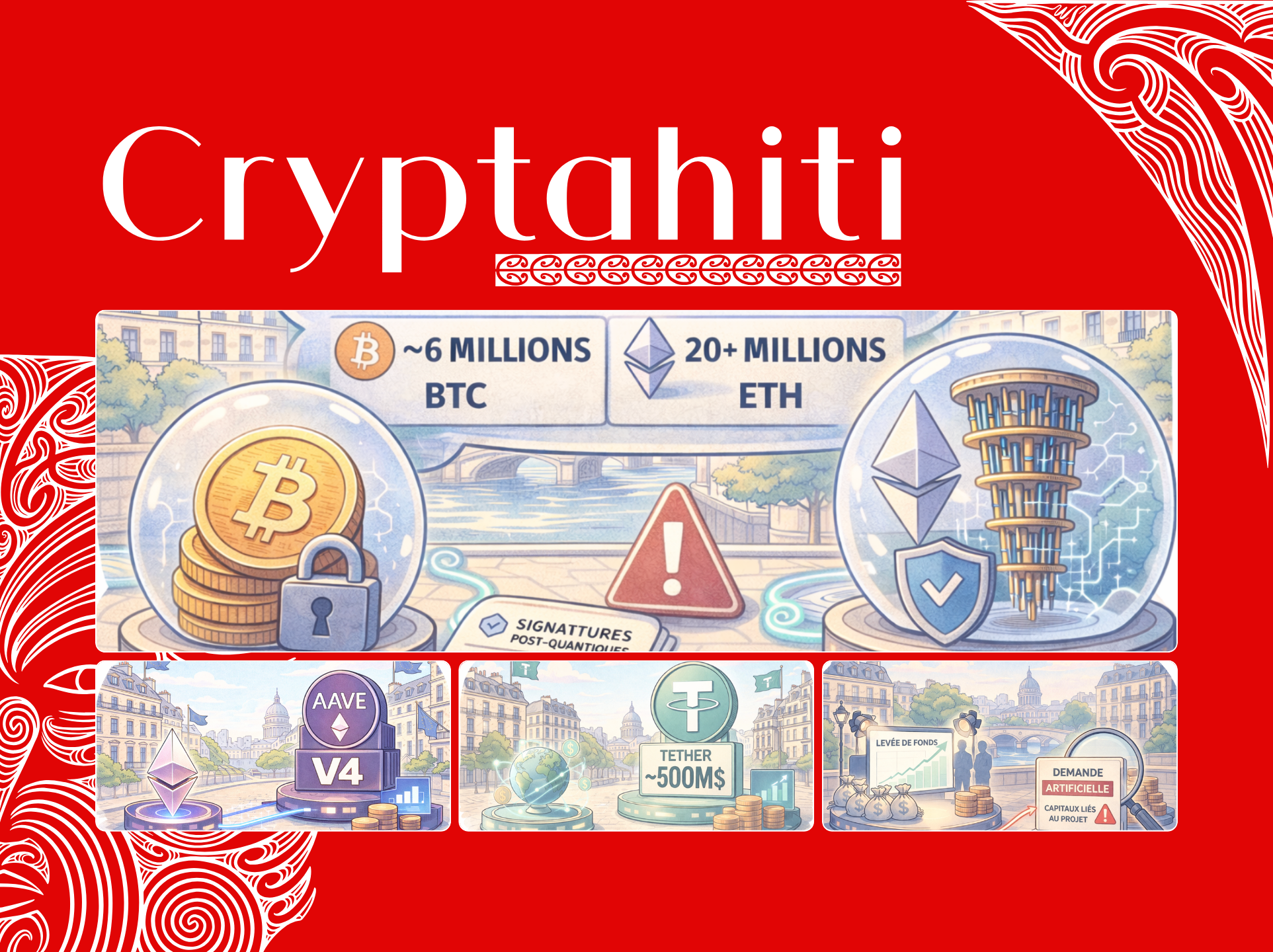
Researchers associated with Google have recently reignited the debate over cryptocurrency security in light of rapid advances in quantum computing. According to their estimates, roughly 6 million BTC and more than 20 million ETH could theoretically become vulnerable if quantum computers capable of exploiting certain cryptographic weaknesses become operational sooner than expected.
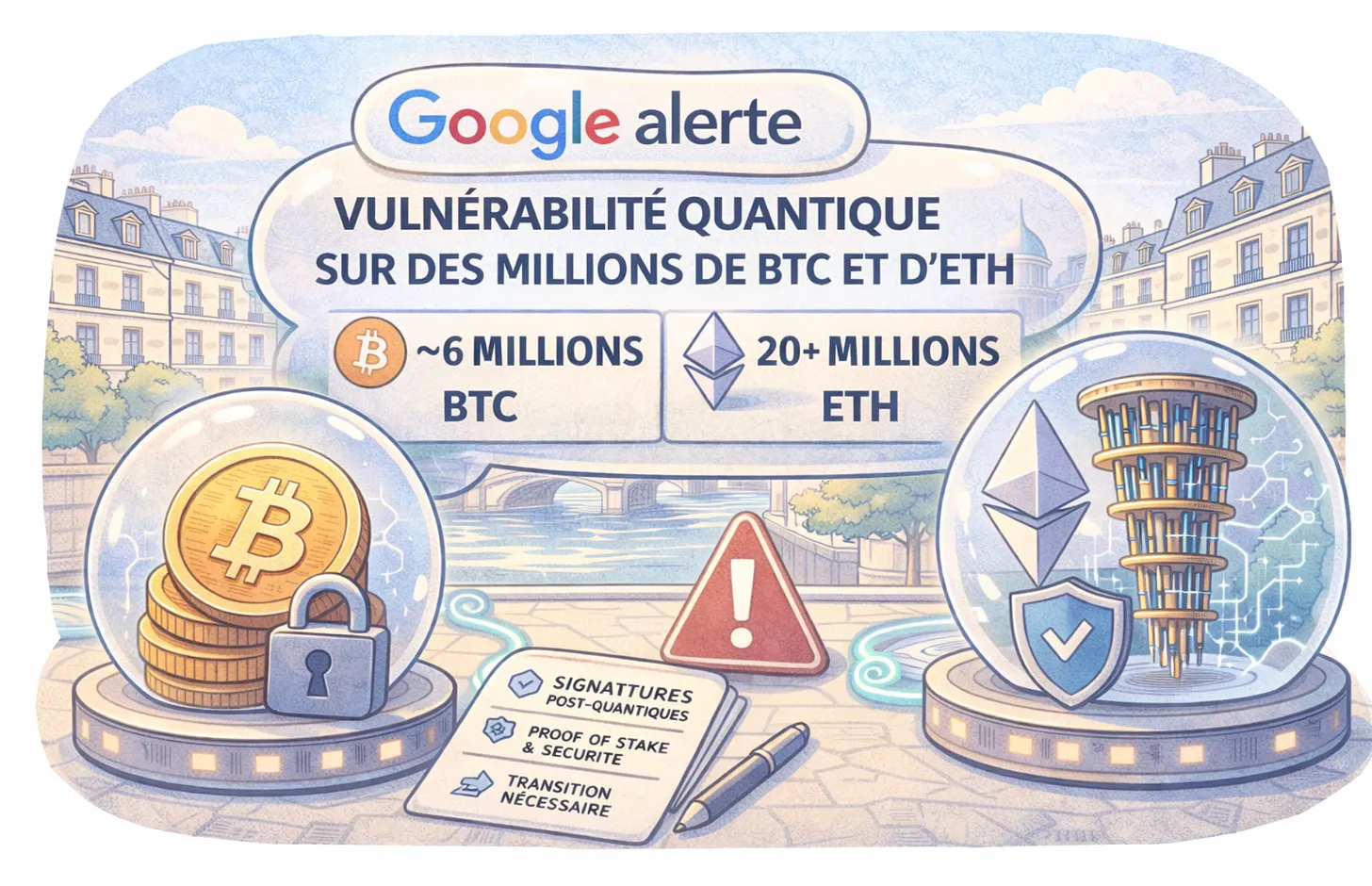
For Ethereum, the issue also extends to its Proof‑of‑Stake validation mechanism. A compromise affecting a significant portion of staked ETH could disrupt network finality or weaken security guarantees, reinforcing the importance of ongoing post‑quantum cryptography research.
These conclusions are already encouraging the ecosystem to anticipate a gradual transition toward more quantum‑resistant standards. While the threat remains theoretical in the short term, it is becoming a strategic consideration for the long‑term evolution of public blockchains.
Looking ahead, these developments could accelerate the adoption of new cryptographic signature schemes adapted to the post‑quantum era. The ability of networks such as Bitcoin and Ethereum to evolve quickly will be critical to maintaining their long‑term resilience.

Ready to start earning?
Join 1,849+ users earning up to 7% APY on their crypto savings.
Sign up nowNo lock-up • Withdraw 24/7
Aave launches V4
The Aave protocol has officially launched its V4 upgrade on the Ethereum network, introducing a major update designed to improve decentralized lending efficiency and prepare for the gradual arrival of institutional participants in on‑chain finance. The new architecture introduces a more modular market structure and enhanced risk management for both users and developers.
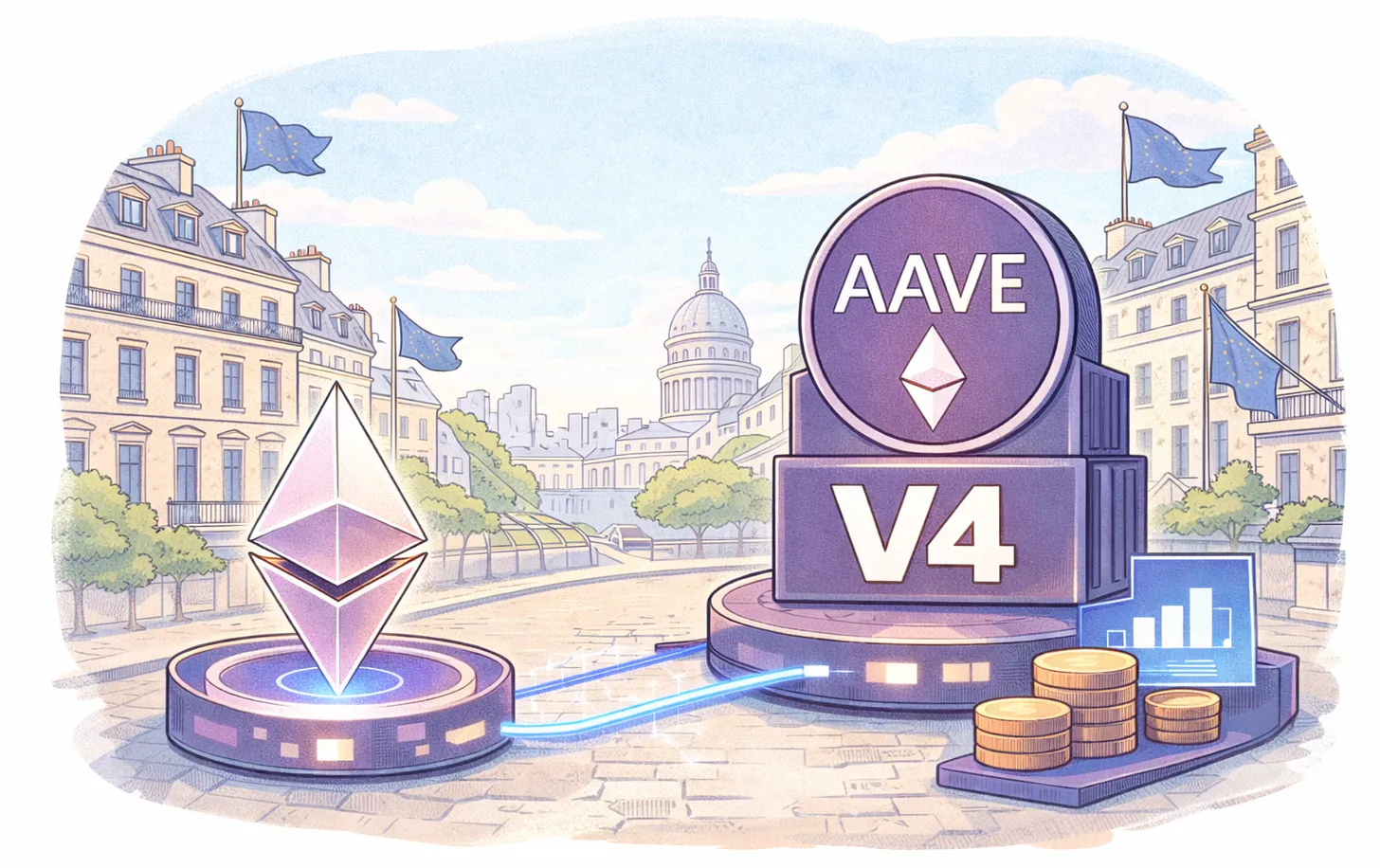
Aave is also continuing its effort to connect DeFi with tokenized assets originating from traditional finance. This direction confirms the project’s ambition to become infrastructure compatible with institutional requirements, particularly in the context of real‑world asset tokenization.
Despite recent governance tensions, the launch of V4 demonstrates the protocol’s ability to continue innovating in a rapidly evolving sector. It reinforces Aave’s position as a key reference in decentralized lending markets.
As asset tokenization expands, infrastructure like Aave V4 could play a central role in the convergence between traditional finance and decentralized finance.
Tether could reach a valuation close to $500 billion
Tether could reach a valuation approaching $500 billion following a fundraising round currently in preparation, highlighting the increasingly central role of stablecoins in the global digital economy.
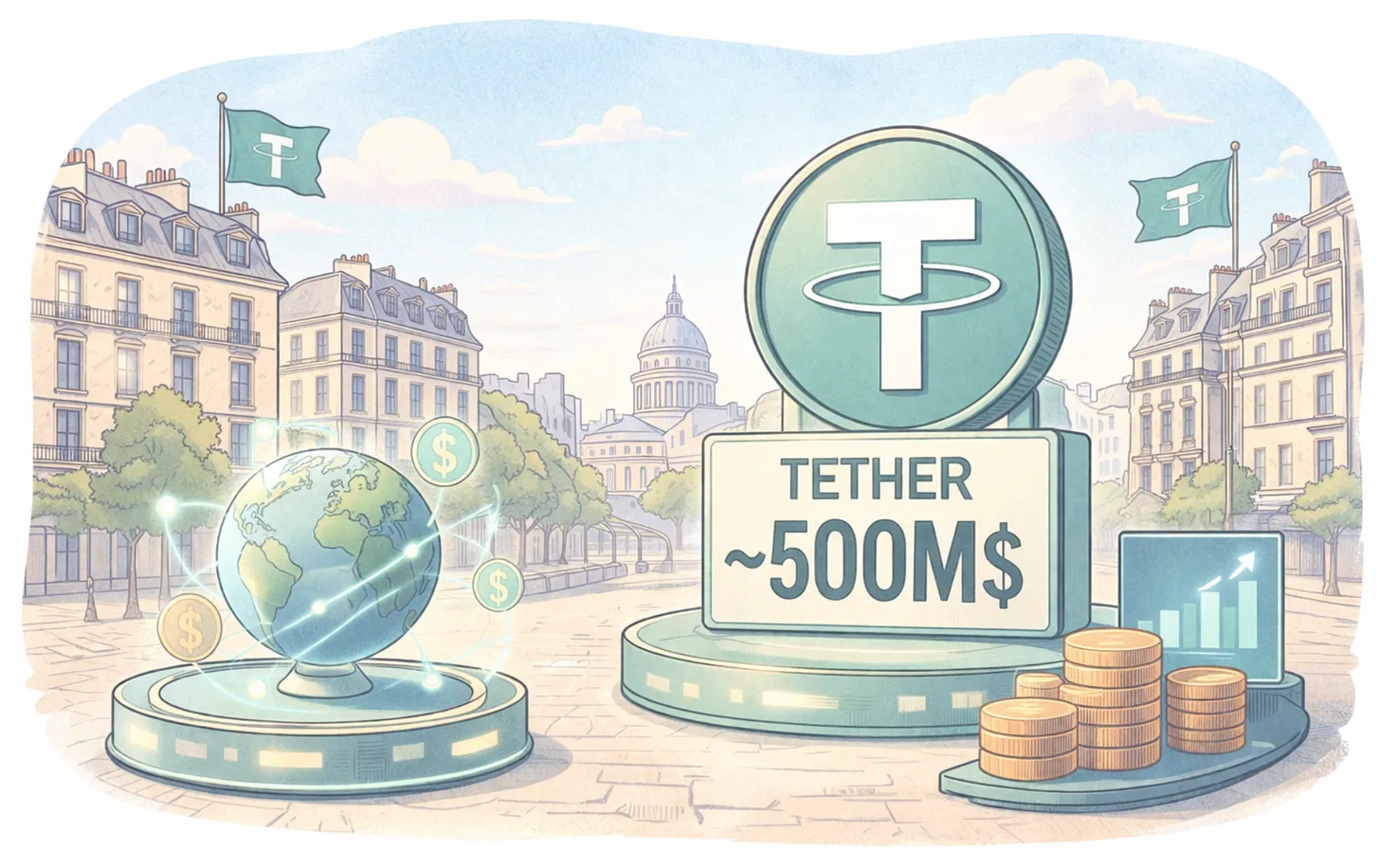
Such growth would place Tether among the most significant financial companies in the global technology landscape. This development comes at a time when regulators are paying closer attention to the systemic role of stablecoins and their gradual integration into financial infrastructure.
If confirmed, this valuation milestone would further establish stablecoins as key pillars of international digital payments while intensifying competition among issuers in an increasingly strategic sector.
Start earning today
Open your free account in minutes and start earning passive income.
Polymarket faces controversy over fundraising structure
The Polymarket project recently raised concerns after reports suggested that mechanisms were used to simulate artificial demand during its fundraising round. The operation allegedly created the appearance of strong market interest even though a significant portion of capital originated indirectly from entities connected to the project itself.

The situation echoes strategies observed during previous market cycles, where momentum was sometimes driven more by perceived demand signals than by genuine user adoption. Despite the ecosystem’s growing maturity, such mechanisms continue to appear in some fundraising efforts.
The episode highlights persistent risks associated with opaque financing structures, particularly for retail investors attracted by projects showing rapid apparent growth. It underscores the importance of analyzing capital flow structures before participating in such operations.
At the same time, cases like this could encourage stronger transparency standards in crypto fundraising and improve investor protection as the sector continues to mature.