
France may require the declaration of personal crypto wallets

France may require the declaration of personal crypto wallets
A regulatory proposal currently under discussion could soon require holders of self‑hosted crypto wallets to declare their value to the French tax authorities. Until now, reporting obligations mainly applied to accounts opened on foreign platforms. This extension would mark a new step in the supervision of digital assets held directly by individuals.
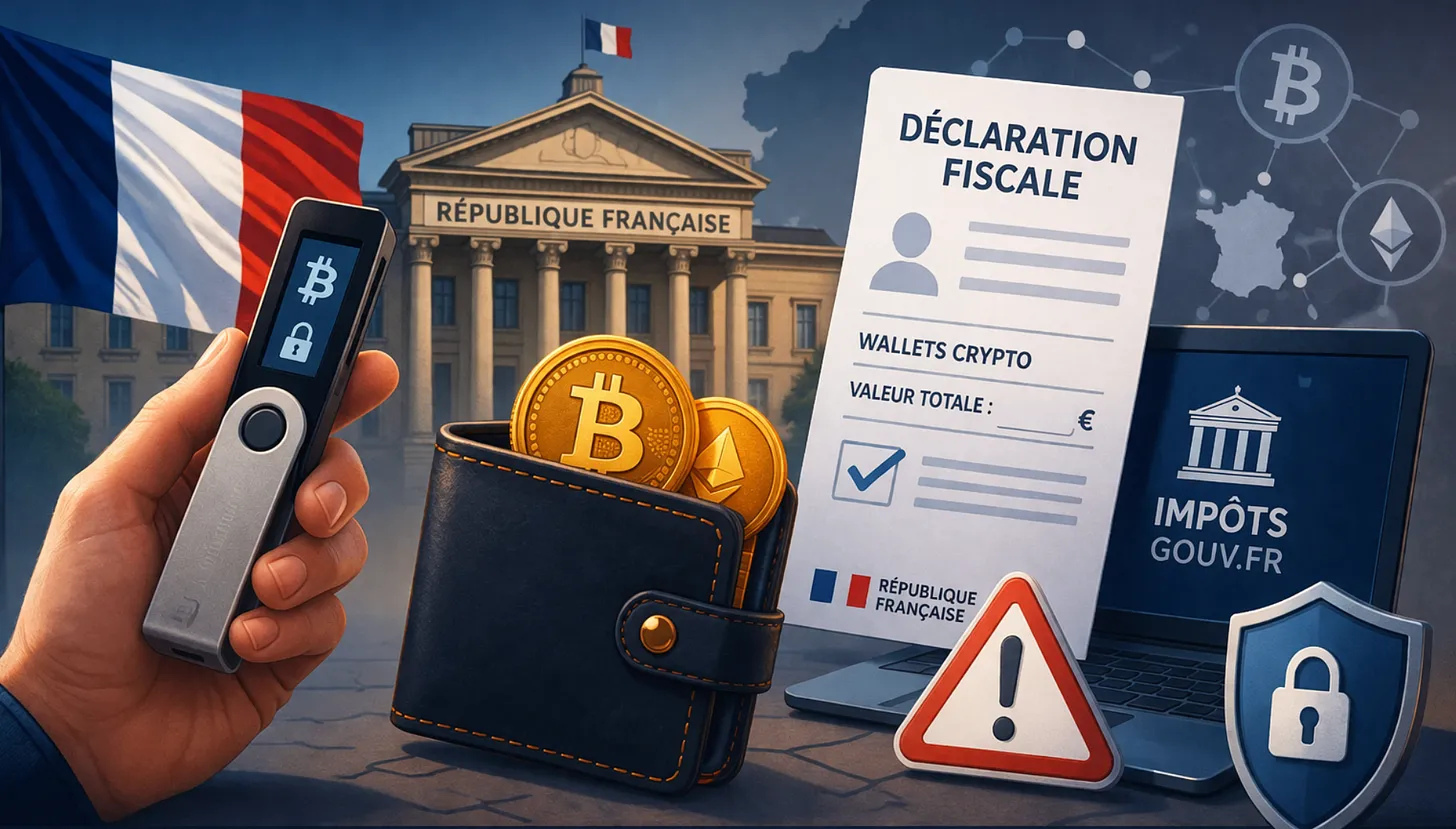
This proposal is part of a broader European trend, where several initiatives aim to improve traceability of crypto‑asset flows. Tax policy is gradually becoming a central tool in structuring the sector.
However, the proposal has raised concerns among parts of the crypto ecosystem. Mandatory reporting of personal wallets could be perceived as an infringement on financial privacy and may reshape the relationship between users and institutions—especially in an environment marked by recurring data‑leak incidents that heighten security concerns among digital asset holders.
Over the long term, measures like this could accelerate the fiscal normalization of cryptocurrencies in France, confirming that digital assets are now fully integrated into public policy frameworks related to financial transparency.

Ready to start earning?
Join 1,849+ users earning up to 7% APY on their crypto savings.
Sign up nowNo lock-up • Withdraw 24/7
Bitcoin payments to cross the Strait of Hormuz?
Iran is reportedly considering requiring ships to pay in Bitcoin to transit the Strait of Hormuz, one of the world’s most strategic maritime routes for hydrocarbon transport. Such a move would illustrate a direct geopolitical use of cryptocurrencies in a tense international environment.
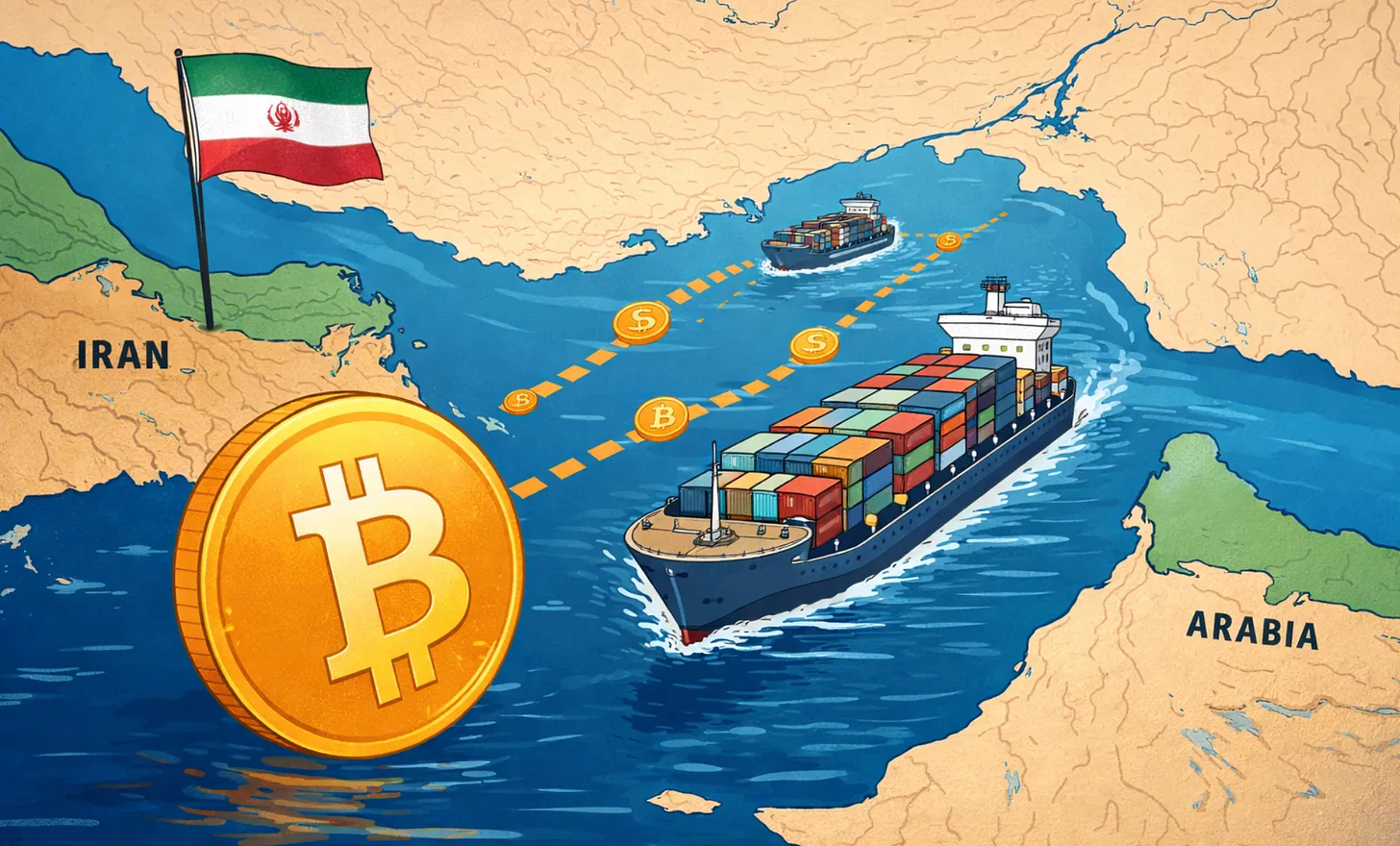
This reflects a broader trend among several countries seeking to reduce dependence on financial networks dominated by Western powers. Bitcoin’s strategic role is gradually expanding beyond speculation toward practical payment utility.
Because the Strait of Hormuz is a critical chokepoint for global energy trade, any change in transit requirements could have significant consequences for international markets. Introducing crypto‑based payments in this context would represent an unprecedented development.
A new hypothesis about the identity of Satoshi Nakamoto
A recent investigation claims to have identified a new credible lead regarding the identity of Satoshi Nakamoto, this time pointing to Adam Back, the British cryptographer and creator of Hashcash. The hypothesis revives a long‑standing debate that has fueled curiosity within the crypto community since the publication of the Bitcoin white paper in 2008.
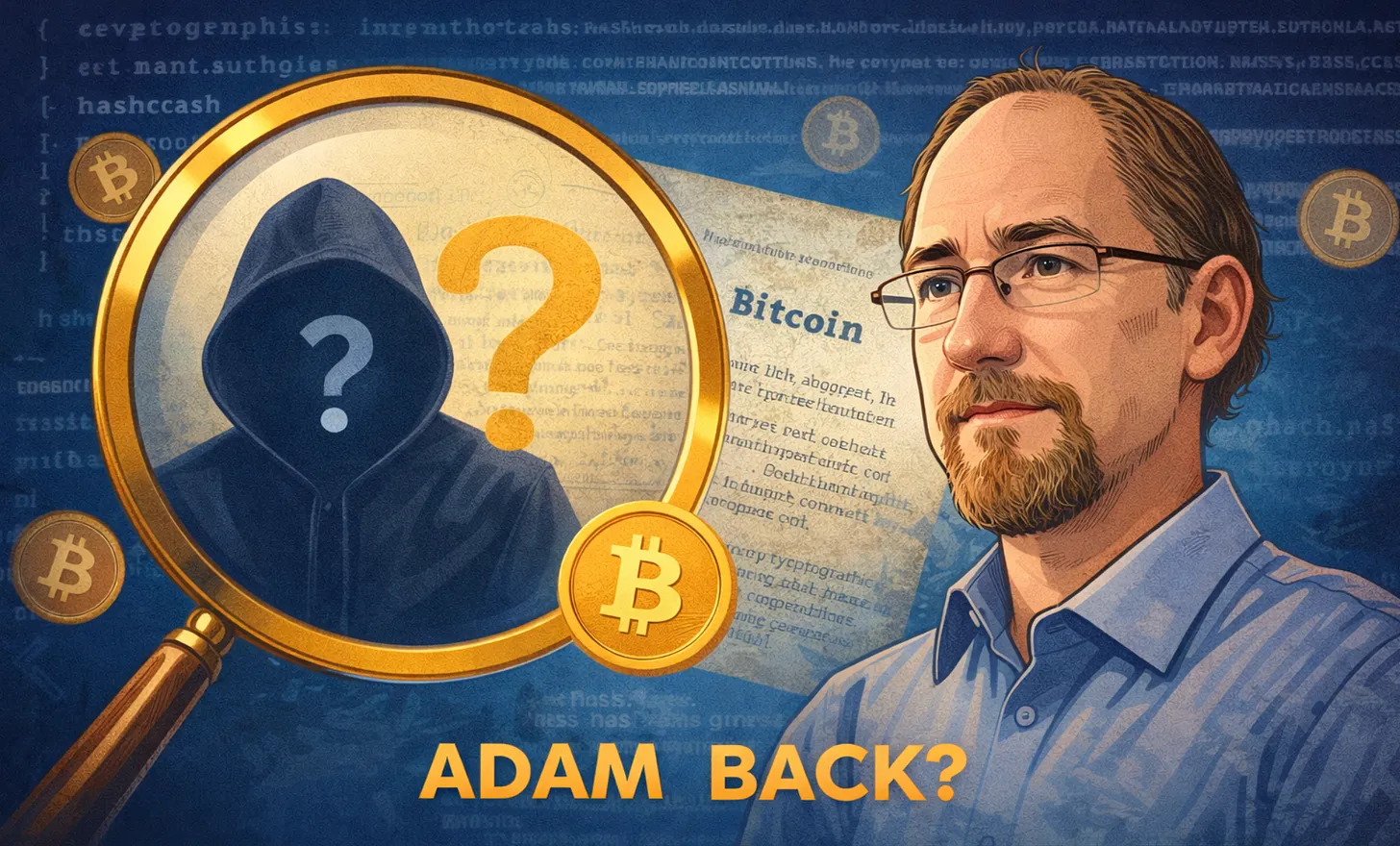
Despite these claims, no definitive proof has been presented, and Adam Back has repeatedly denied being Satoshi Nakamoto. The identity of Bitcoin’s creator therefore remains one of the greatest mysteries in modern technological history.
The issue remains sensitive because of the potential implications tied to the large Bitcoin reserves attributed to Satoshi. Any official confirmation could have symbolic consequences for market perception and network dynamics.
However, a growing portion of the ecosystem now believes that Satoshi’s identity matters less than the robustness of Bitcoin itself, which operates independently of any identifiable founder.
Start earning today
Open your free account in minutes and start earning passive income.
Bittensor declines after Covenant AI exits
The TAO token of the Bittensor project recently dropped by about 27%, highlighting the continued volatility of assets linked to decentralized artificial intelligence infrastructure. The correction follows a period of rapid growth driven by rising interest in blockchain‑AI hybrid systems.
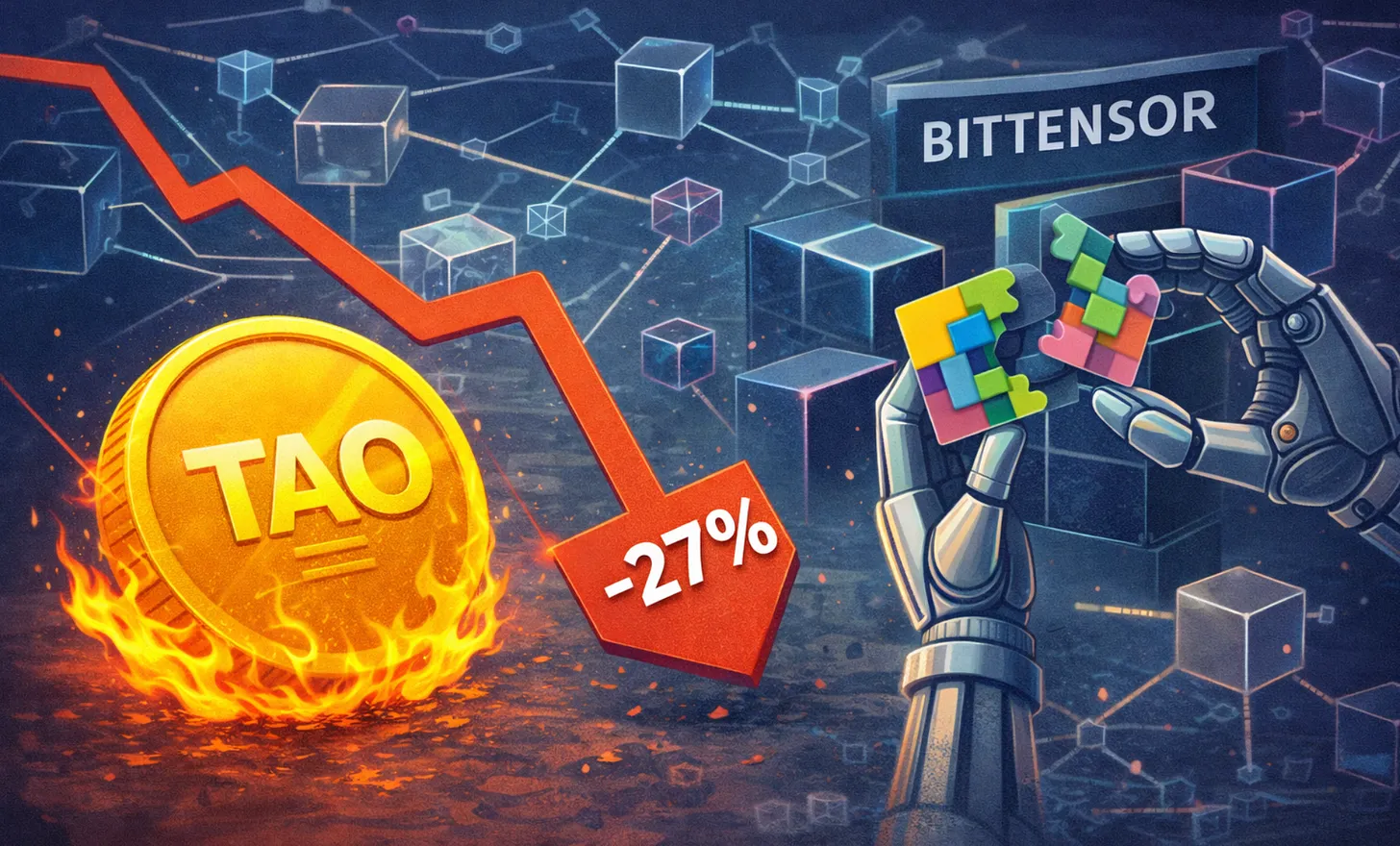
According to their statements, unilateral interventions affecting subnet emissions, community management, and infrastructure evolution revealed a greater concentration of decision‑making power than expected. These criticisms have reignited debate about the network’s actual level of decentralization.
Despite these tensions, Bittensor retains a unique position in the ecosystem due to its ambition to build an open decentralized machine‑learning network.
In the long term, the project’s trajectory will depend both on its ability to maintain developer trust and on the validation of its technical use cases. As a result, TAO’s future may remain closely tied to governance dynamics as well as progress in decentralized AI.